
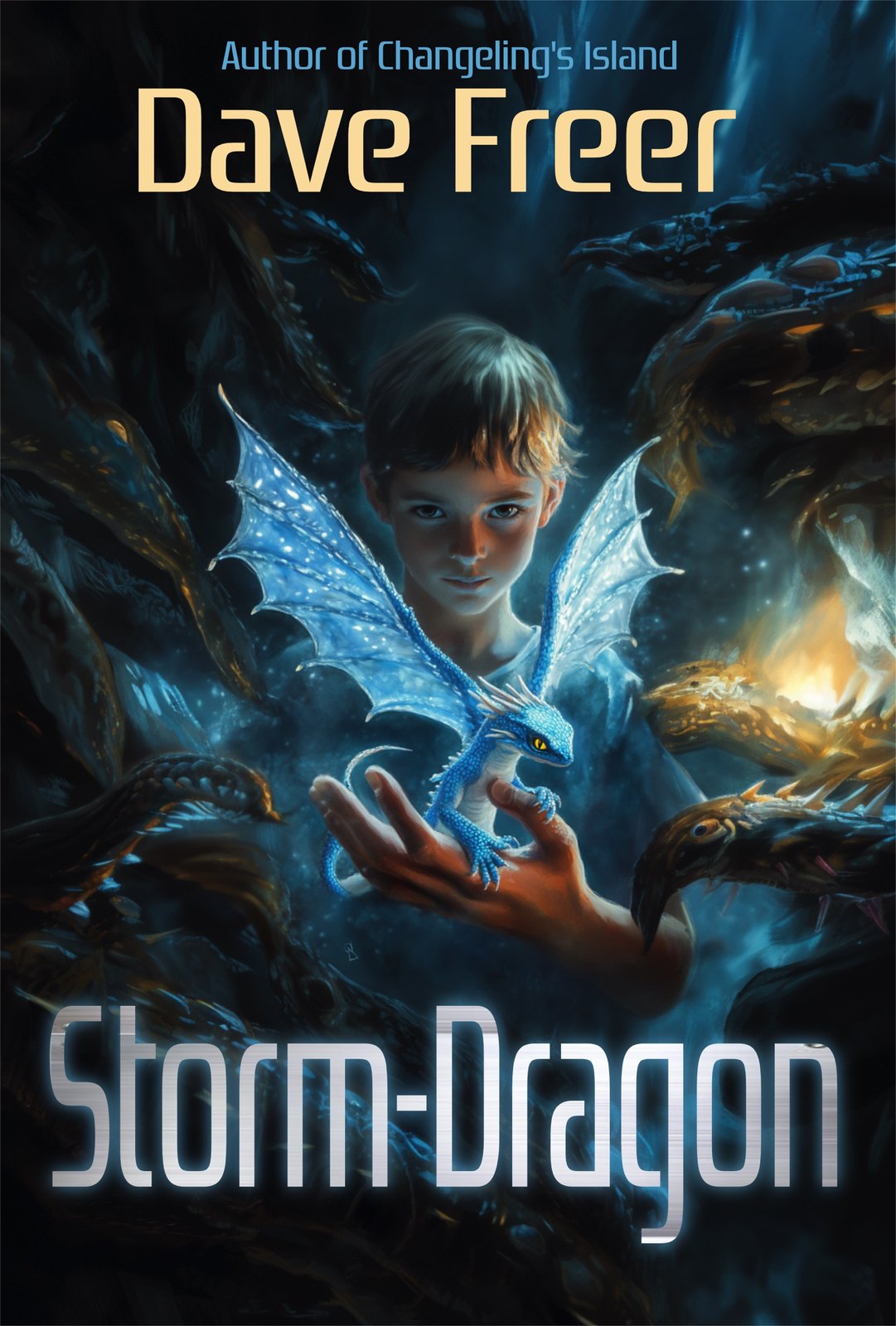
In a world where boys’ reading rates are plummeting—the National Literacy Trust’s 2025 survey found that by ages 14 to 16, fewer than one in five boys (18.8%) enjoy reading, compared with 37.7% of girls—adventure books emerge as a vital counterforce. Enter Storm-Dragon by Dave Freer, a gripping middle-grade sci-fi tale set on the unforgiving planet Vann’s World. Young Skut braves savage winds and deadly creatures to rescue a tiny, telepathic storm-dragon, forming an unbreakable bond amid rising tides and menacing threats. Joined by his new friend Podge, the boys navigate bullies, school woes, and a mysterious town peril, turning survival into heroism. This isn’t mere escapism; it’s a blueprint for resilience, imagination, and healthy masculinity. Boys need these stories to model courage, foster critical thinking, and combat the passivity of screen-dominated lives.
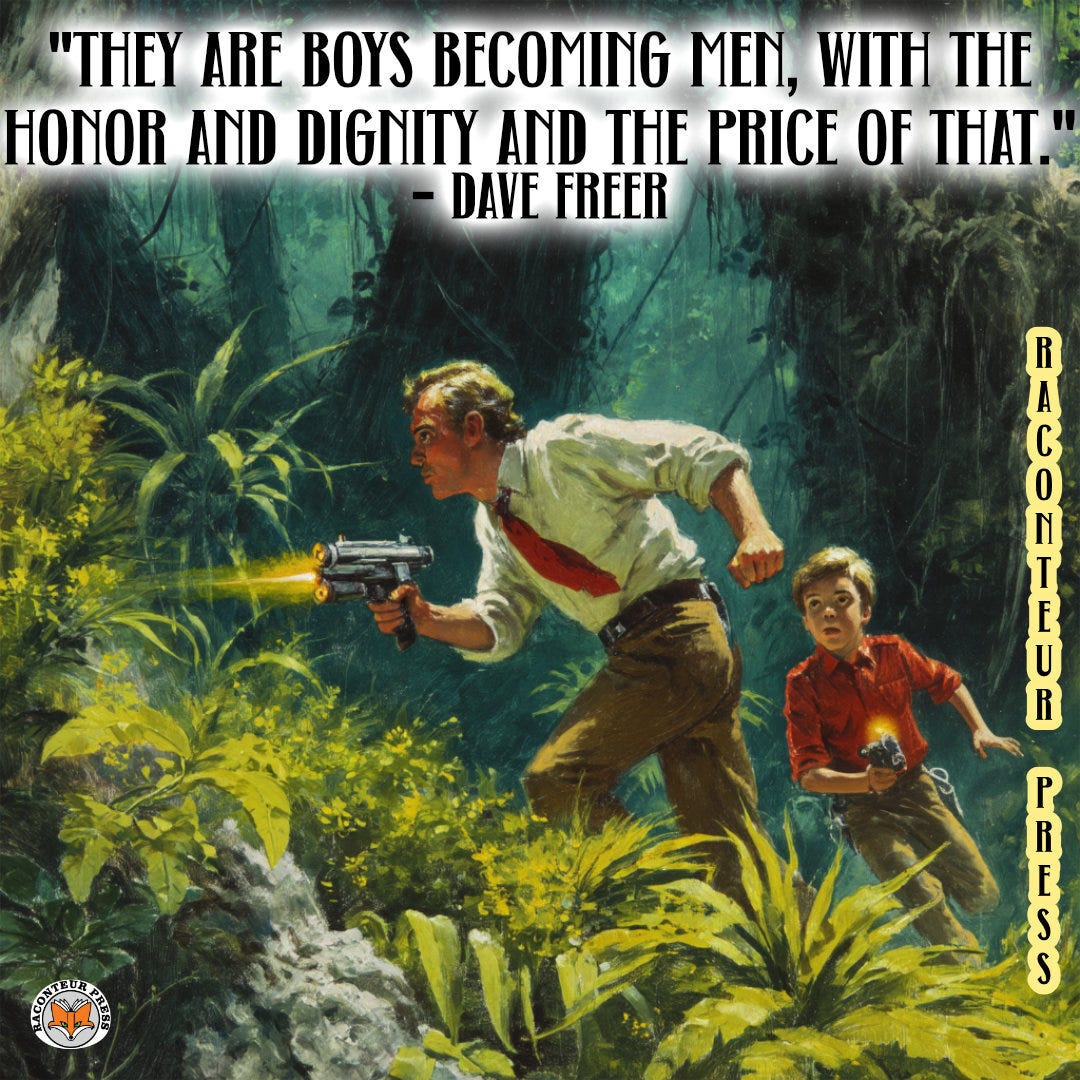
Fostering resilience and self-reliance lies at the heart of why adventure books like Storm-Dragon resonate with boys. Evolution has wired males for action and protection, traits honed through millennia of survival pressures. As Freer explores in his writings, boys aren’t just playing at heroism—they’re preparing for real-world roles. Skut’s journey from a displaced farm boy to a defender of his companion and community mirrors this: facing hamerkops, Loor-beasts, and human adversaries builds grit without preachiness. Without such narratives, boys miss out on vicarious trials that teach problem-solving and stoicism. Freer captures this essence perfectly:
“Men are selected to be protective. As someone said recently, most men fantasize about being the rear-guard – holding hard while their families escape and survive.”
This protective instinct, woven into Storm-Dragon’s plot, counters modern trends of introspection-heavy YA, instead channeling pulp-era energy like Heinlein’s juveniles. Here, boys learn that true strength involves cunning, honor, and violence when necessary—traits that, in the right context, ensure survival and respect. Freer’s background as a marine biologist and adventurer infuses authenticity, making the perils of Vann’s World feel tangible and conquerable.
Sparking imagination and critical thinking is another cornerstone. In Storm-Dragon, the alien world’s tidal tiers, electric-charged creatures, and telepathic bonds invite readers to puzzle out dangers creatively, offsetting the rote passivity of digital entertainment. Boys thrive on stories where heroes invent solutions—rebuilding tools or outsmarting invaders—rather than dwelling on emotions. Freer’s ichthyology expertise shines in the ecosystem details, blending education with excitement. As one Amazon reviewer enthuses: “It evokes all the virtues of the Heinlein juveniles, and that’s truly a remarkable feat.” This nod to classics like The Star Beast highlights how Storm-Dragon promotes wonder, community, and ingenuity. Amid bullies and adult oversights, Skut and Podge’s alliance teaches that brains trump brawn alone, encouraging boys to question, adapt, and explore—skills essential in a fast-changing world.
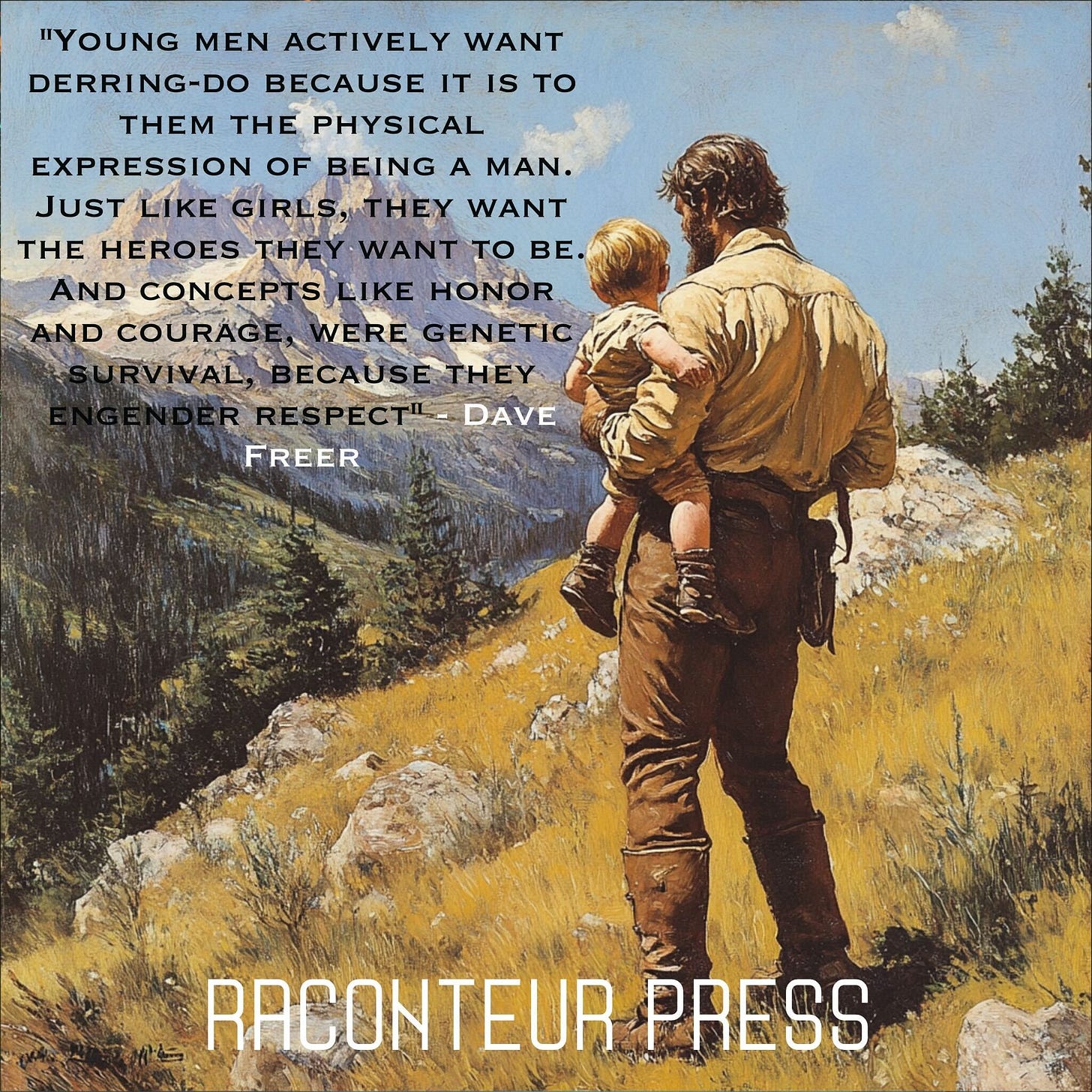
Building healthy masculinity means portraying honorable protectors, not stereotypes. Freer nails this: “Young men actively want derring-do because it is to them the physical expression of being a man.”
In sum, Storm-Dragon revives the boys’ adventure genre, inspiring resilience and heroism in an underserved audience. This book doesn’t merely entertain—it equips boys with the resilience to tackle real-world challenges, one daring chapter at a time.
Subscribe to our Substack for more on pulp revival and author insights!
First published on the Raconteur Press Substack, February 5, 2026.