Category: Why Boys’ Adventure

  • One Year of Boys’ Adventure: Here’s What We Learned

    One Year of Boys’ Adventure: Here’s What We Learned

    A year ago, Raconteur Press launched a Boys’ Adventure line. We had a theory: boys aren’t leaving reading because they hate books. They’re leaving because the books being published for them aren’t worth their time.
    We still believe that. And a year of data and reader responses has only made us more convinced.

    Here’s what the first year taught us.


    The Heinlein Juvenile lane is real and it’s empty.
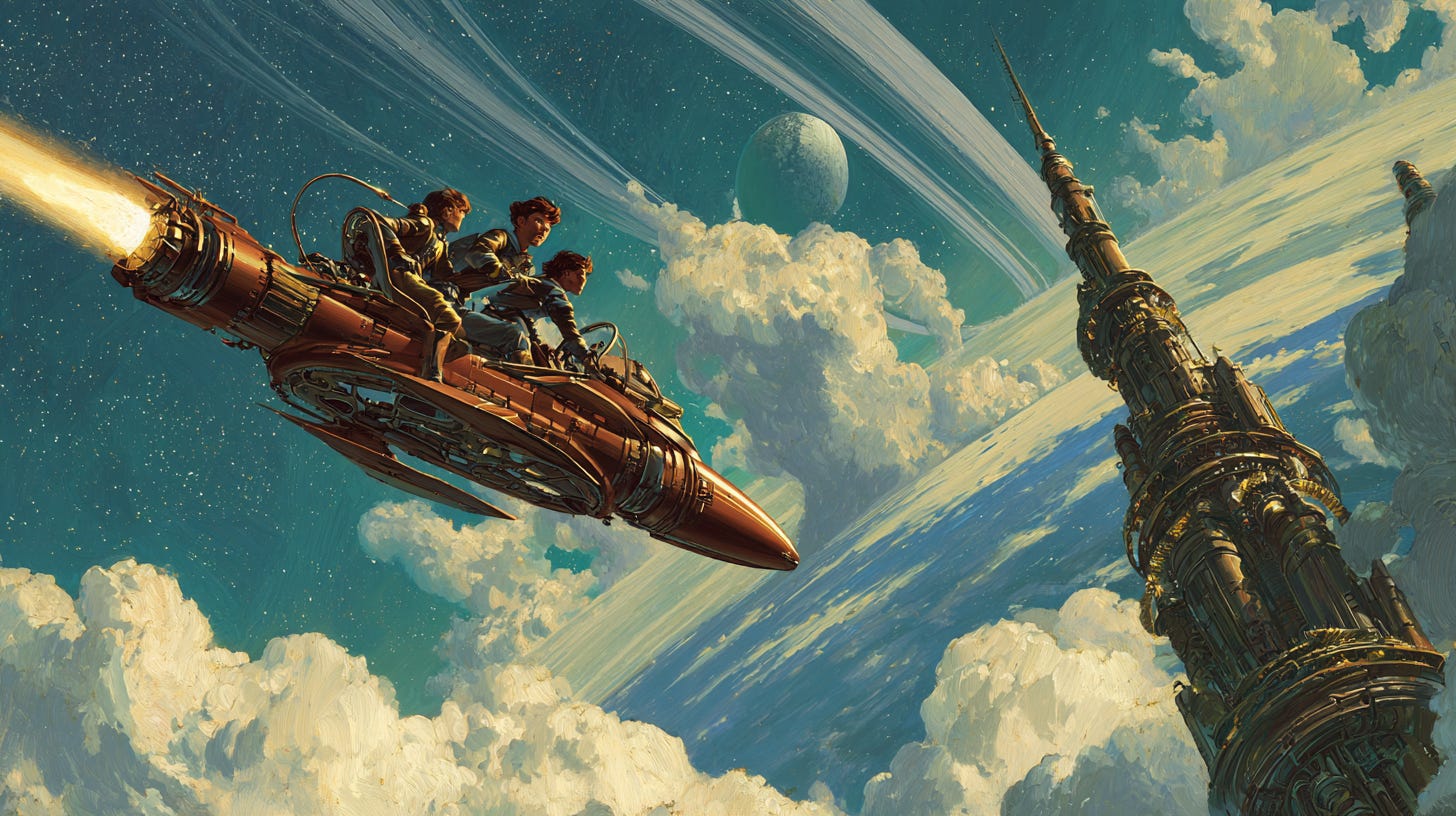
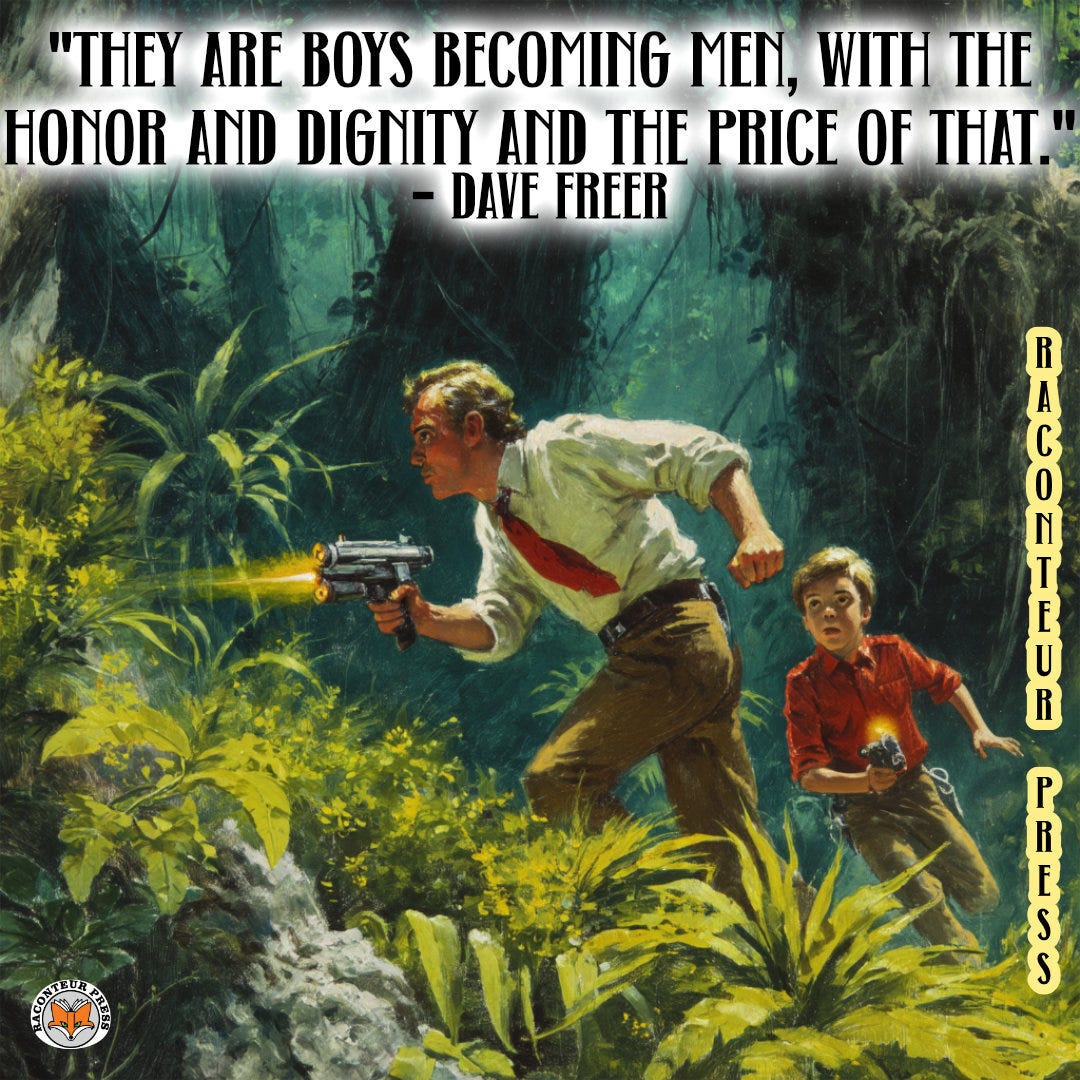
    We didn’t set out to own a specific lane. We just started publishing the books we wanted to read, targeted at the boys we were worried about. Somewhere along the way, the reviews started rolling in, and a funny thing kept happening — readers kept reaching for the same comparison without any prompting from us. Heinlein’s juveniles. Farmer in the Sky. Starman Jones. The books that built generations of science fiction readers, which mainstream publishing has quietly let die.

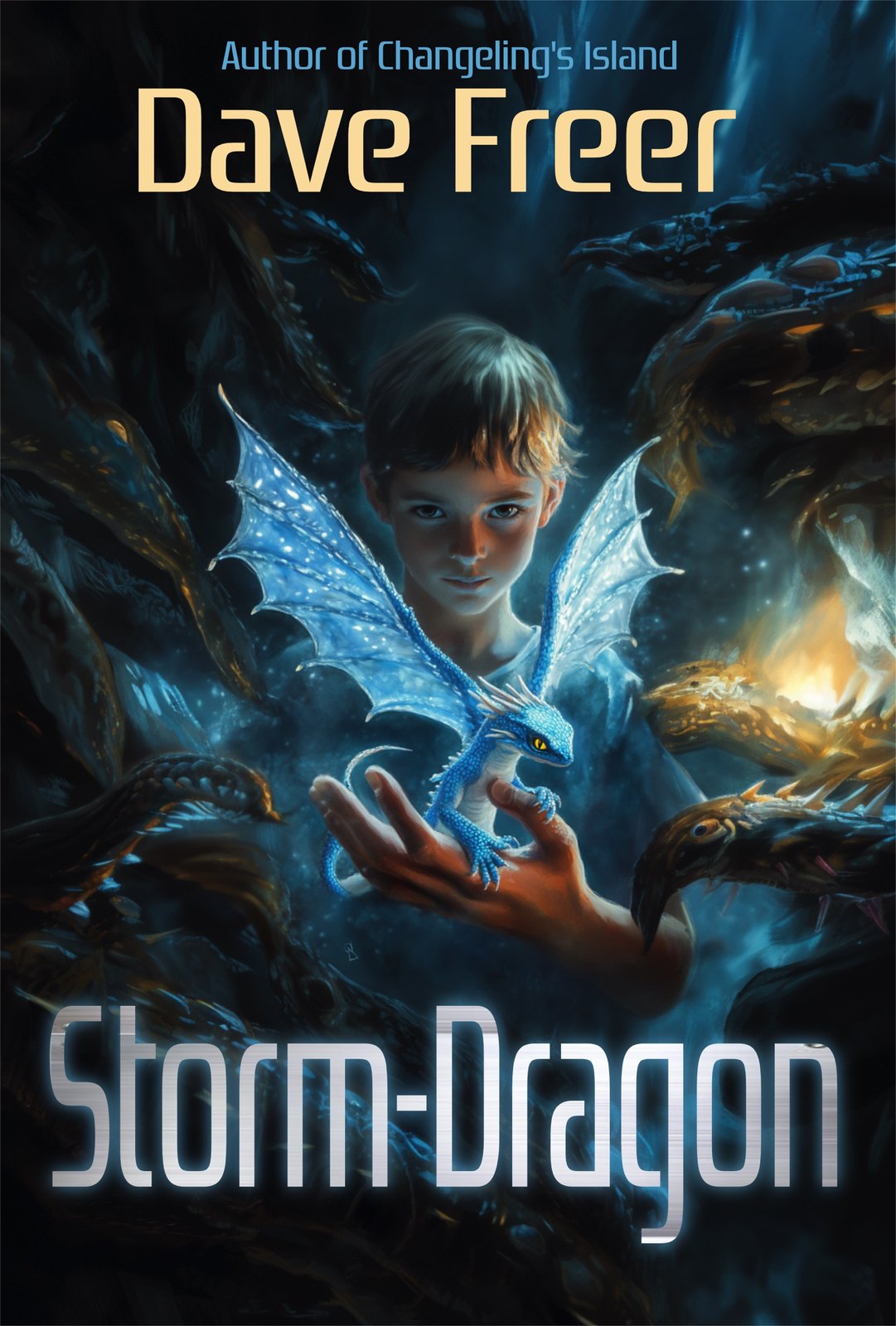
    Dave Freer’s Storm-Dragon became our flagship, and it earned that position honestly. The Prometheus Blog’s Michael Grossberg described it as “an entertaining tale embodying golden-age SF themes of initiative, imagination, resilience and self-reliance” that “appeals to adults, too — especially those of us who grew up reading YA novels by Robert Heinlein and Andre Norton.” One Amazon reviewer put it more simply: “It evokes all the virtues of the Heinlein juveniles, and that’s truly a remarkable feat.” (Sources: Prometheus Blog · Substack)

    Storm-Dragon was named a 2026 Prometheus Award finalist for Best Novel — one of the longest-running awards in science fiction, with a history that includes Heinlein himself. Freer previously won the Prometheus in 2023 for Cloud-Castles, making him one of a small number of authors recognized by the Libertarian Futurist Society in multiple award cycles. That the first book out of our Boys’ line landed a Prometheus nomination is not something we’re going to pretend is unremarkable. It isn’t. (Source: Substack)


    Series matter. A lot.

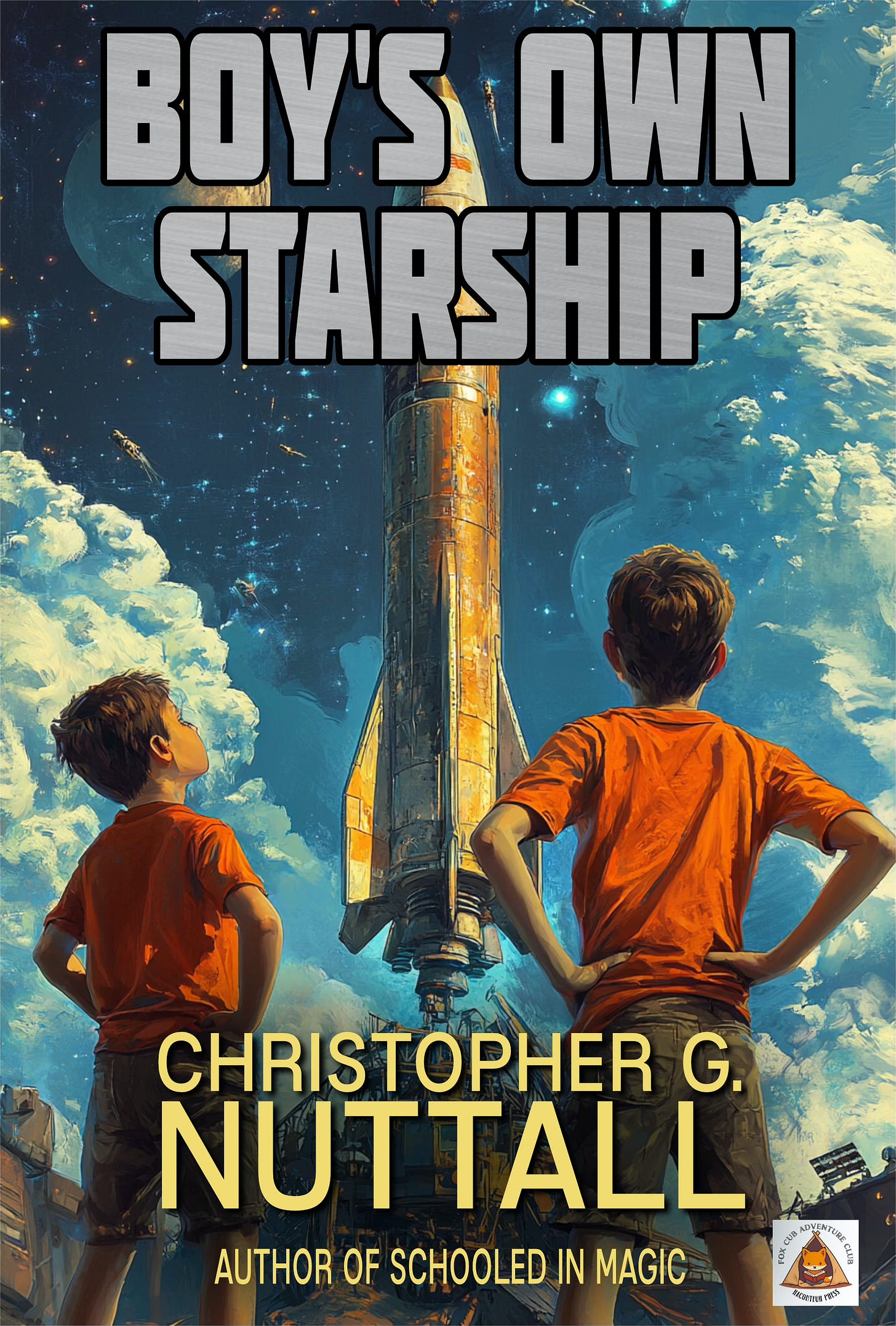
    C.G. Nuttall’s Boy’s Own Starship proved the concept. When Book 2, Crash Landing, launched in January 2026, Book 1 didn’t sit still. It moved. Fast. The lesson: when a boy likes a book, he wants the next one. The series flywheel is real, and it’s one of the most important things we learned this year.
    We’re actively building on this with The Accidental Adventures Series by Stanley Wheeler, and more to come. If you’ve got a boy who tore through a first book, several more are waiting for him or will be soon.


    Award recognition followed the quality.

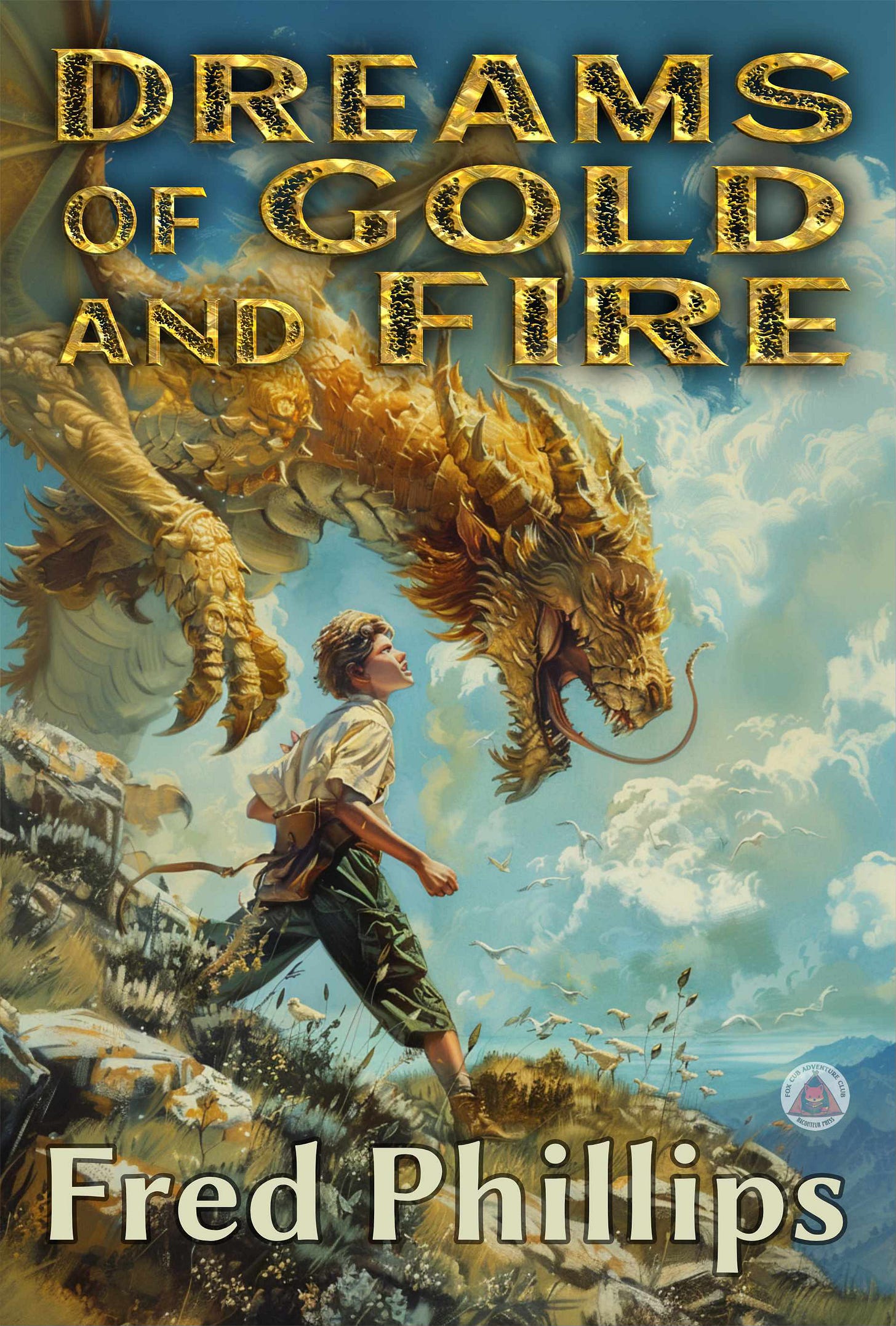
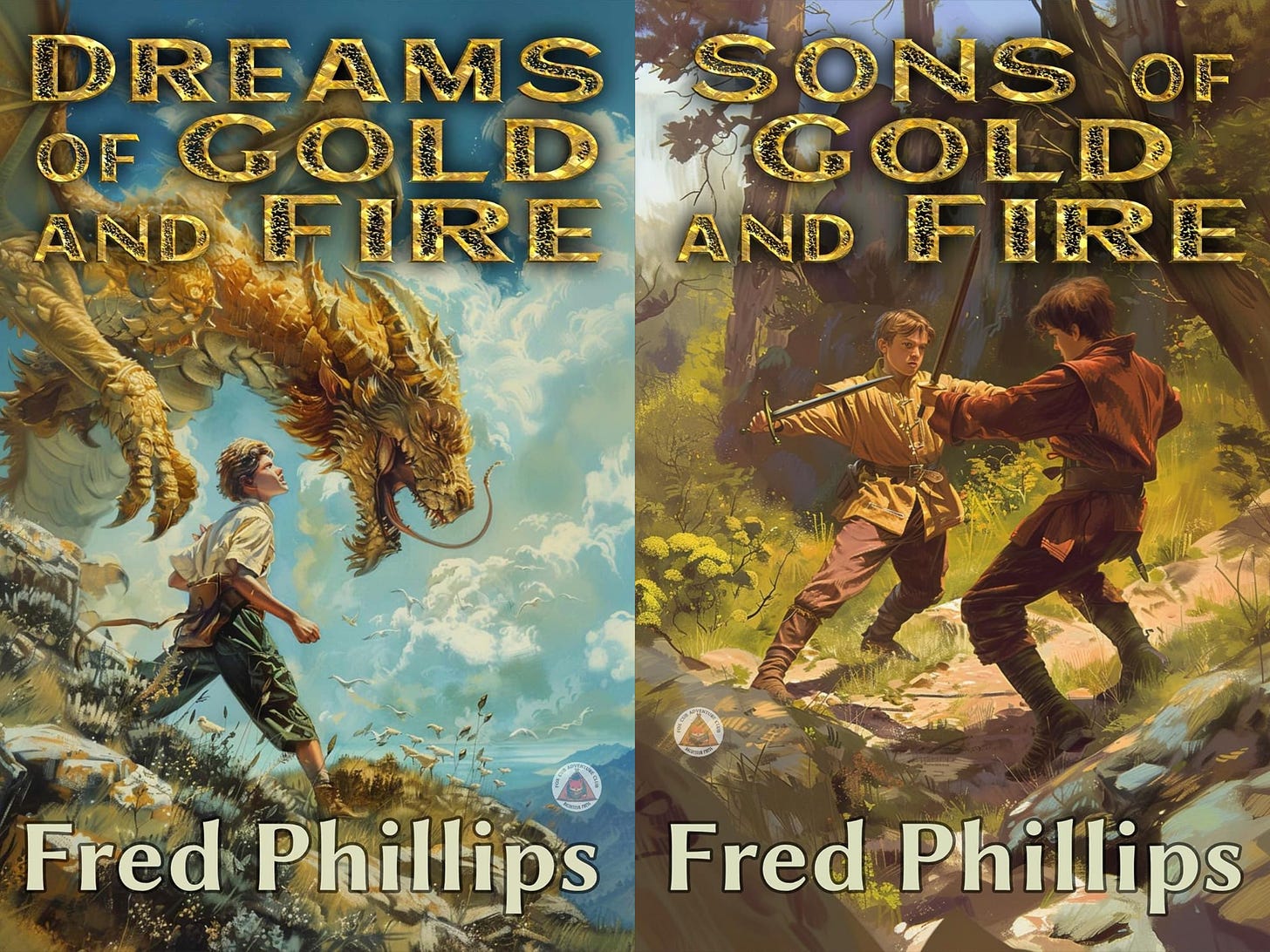
    Fred Phillips’ Dreams of Gold and Fire — a medieval fantasy about a boy and his dragon — has quietly stacked up credentials that we’re proud to shout about. It won the 28th Annual Critters Readers’ Poll, was named a finalist for the 2026 Imadjinn Awards Best Middle Grade, and received a nomination for the 2025 Kearsells Indie Book Awards. The Imadjinn nomination also earned Raconteur Press its first mention in Locus magazine — the trade publication of record for science fiction and fantasy. For a press in its third year, that’s a line in the history book. (Sources: Amazon · Substack)

    Book 2, Sons of Gold and Fire, just launched. The series is building.

    The homeschool and parent buyer is different from the KU reader — and both matter.

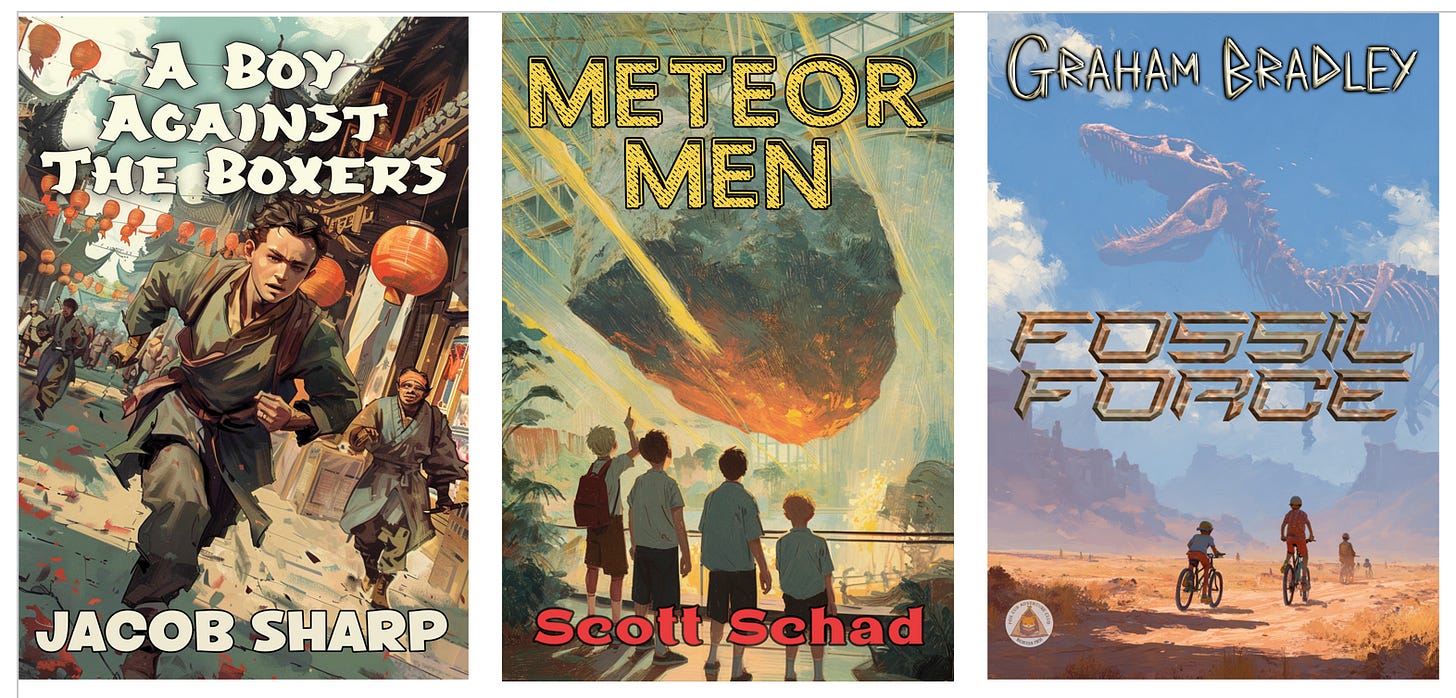
    This was the subtler lesson of the year. Our sci-fi titles are devoured digitally. But our historical adventures and fantasy titles? Parents and homeschoolers are buying physical copies. A Boy Against the Boxers, Jacob Sharp’s novel set during the Boxer Rebellion, has found a particularly strong audience among families who want history to feel like a story instead of a textbook.

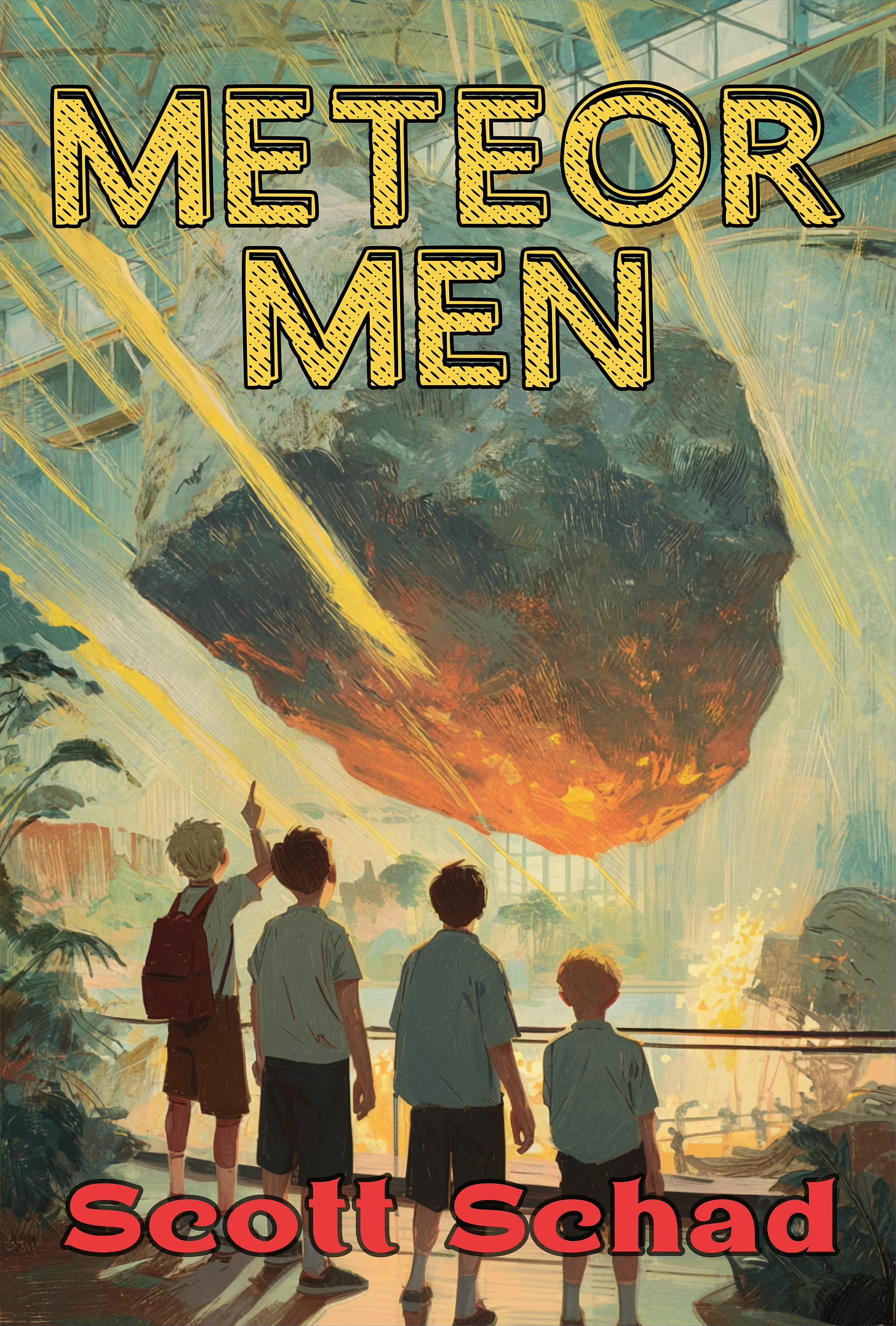
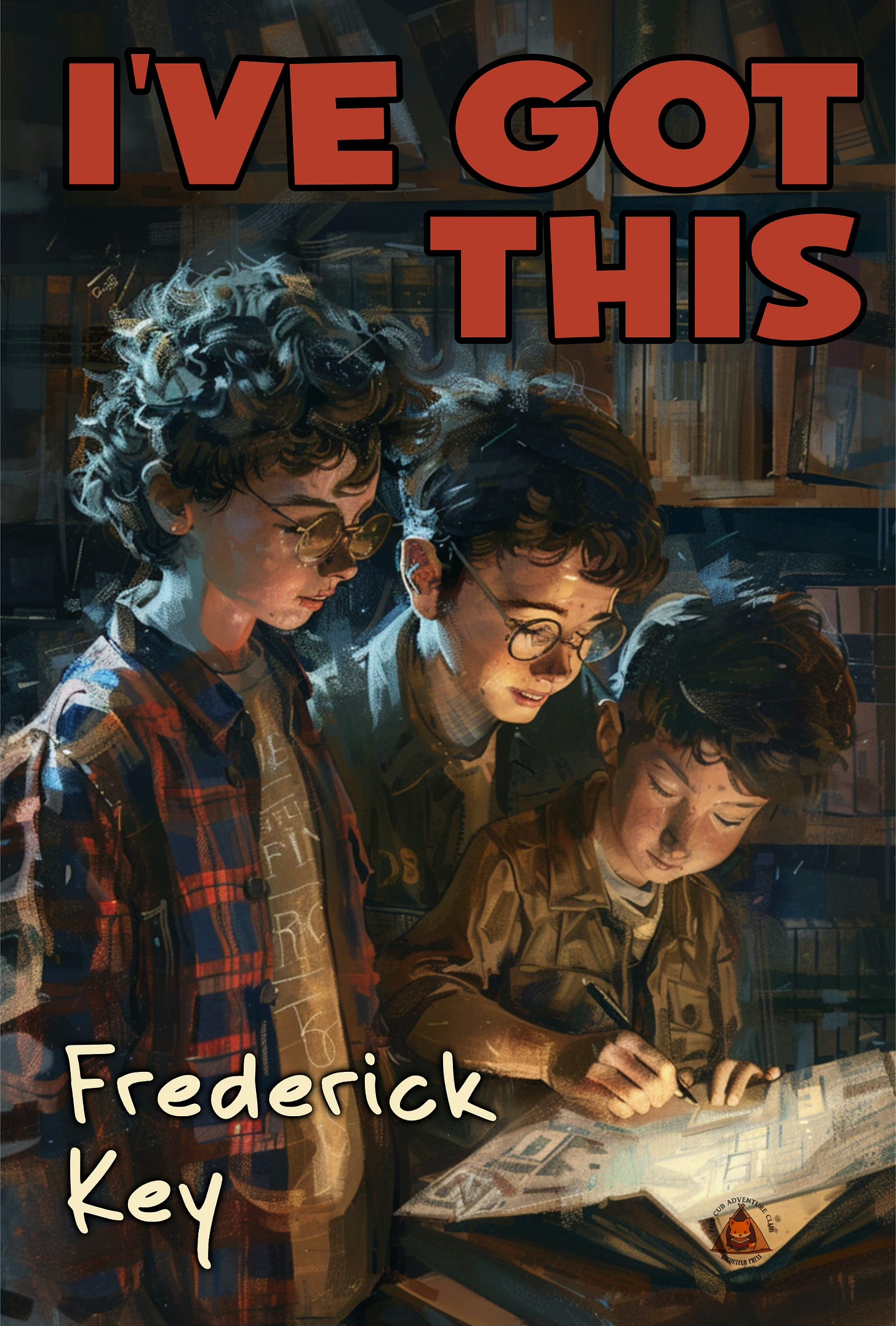
    Speaking of textbooks, however, we learned that homeschoolers definitely want books that introduce their boys to academic subjects over the course of a story, not textbooks with a bit of fiction attached to them. We think we’ve produced some great examples of the former, with Meteor Men by Scott Schad, and I’ve Got This! by Frederick Key, and Fossil Force by Graham Bradley. Fossil Force, in particular brings an old-school Saturday morning cartoon energy back to boy’s literature that’s been sorely missing for years now.

    We produce two different books for two different buyers, and we’ve gotten better at understanding that distinction as the year went on.


    We’re just getting started.

    Seventeen books. A Prometheus Special Award winner. Multiple award credentials. A proven series flywheel. Readers on three continents. And an open call that’s still bringing us manuscripts we’re genuinely excited about.

    The reading crisis for boys is real. We’re not going to fix it alone. But we’re going to keep publishing books that give boys a reason to pick one up — and to go looking for the next one.

    The door to the Valor Books is open. Tell a boy you know.

    First published on the Raconteur Press Substack, October 13, 2026.
  • Remember the books that made you a reader?

    Remember the books that made you a reader?

    Tom Swift. Encyclopedia Brown. The Hardy Boys. Danny Dunn. Maybe you found yours at a school book fair, or a grandparent’s shelf, or a library that smelled like old carpet and possibility.

    There was a moment — you know the one — when a book grabbed you so hard you forgot to eat lunch. When the world in the pages felt more real than the one outside the window.

    We want that for your son.

    Boys’ reading rates have been in freefall for years. By the time they hit middle school, most boys will tell you flat out: they don’t like reading. They’re not wrong that most of what’s been handed to them doesn’t fit how they’re wired. They’re wrong that the right book doesn’t exist.

    It exists. We publish it. Find the right one for your son by age.

    Books boys actually WANT to read. That’s what we’re here for.


    First published on the Raconteur Press Substack, April 8, 2026.

  • Igniting Curiosity: How Historical Adventure Books Spark Learning in Boys

    Igniting Curiosity: How Historical Adventure Books Spark Learning in Boys

    In an era dominated by screens and instant gratification, fostering a deep appreciation for history in young readers can feel like an uphill battle. Yet, historical fiction—especially in the form of thrilling boys’ adventure books—offers a powerful gateway. By weaving real historical events into gripping narratives, these stories not only entertain but also educate, encouraging boys to discover the past, develop essential skills, and cultivate a lifelong love of reading and exploration. Books like A Boy Against the Boxers by Jacob Sharp, Meteor Men by Scott Schad, and Fossil Force by Graham Bradley, all from Raconteur Press, exemplify this approach. Each integrates historical elements in unique ways, showing how adventure can transform history from dry facts into vivid, relatable experiences.

    Discovery and Learning Through Historical Events

    Historical fiction immerses young readers in the past, making abstract events tangible and personal. By placing protagonists in real-world scenarios, these books help boys “live” history, fostering empathy and understanding that textbooks often lack. For instance, in A Boy Against the Boxers, fourteen-year-old Eddie Donahue is thrust into the heart of the 1900 Boxer Rebellion in Peking (now Beijing). The story draws on actual events like the 55-day Siege of the International Legations, where foreign diplomats and civilians were trapped by anti-Western nationalists. Eddie witnesses martial arts demonstrations, evades violent chases, and participates in scavenging supplies and firing an old black powder cannon known as the “International Gun.” Through Eddie’s eyes, readers learn about the geopolitical tensions of turn-of-the-century China, the unlikely alliances among nations (which would soon fracture in World War I), and the brutal realities of siege warfare. This viewpoint helps boys grasp how ordinary people—much like themselves—navigated chaos, turning history into a lesson in resilience and global interconnectedness.

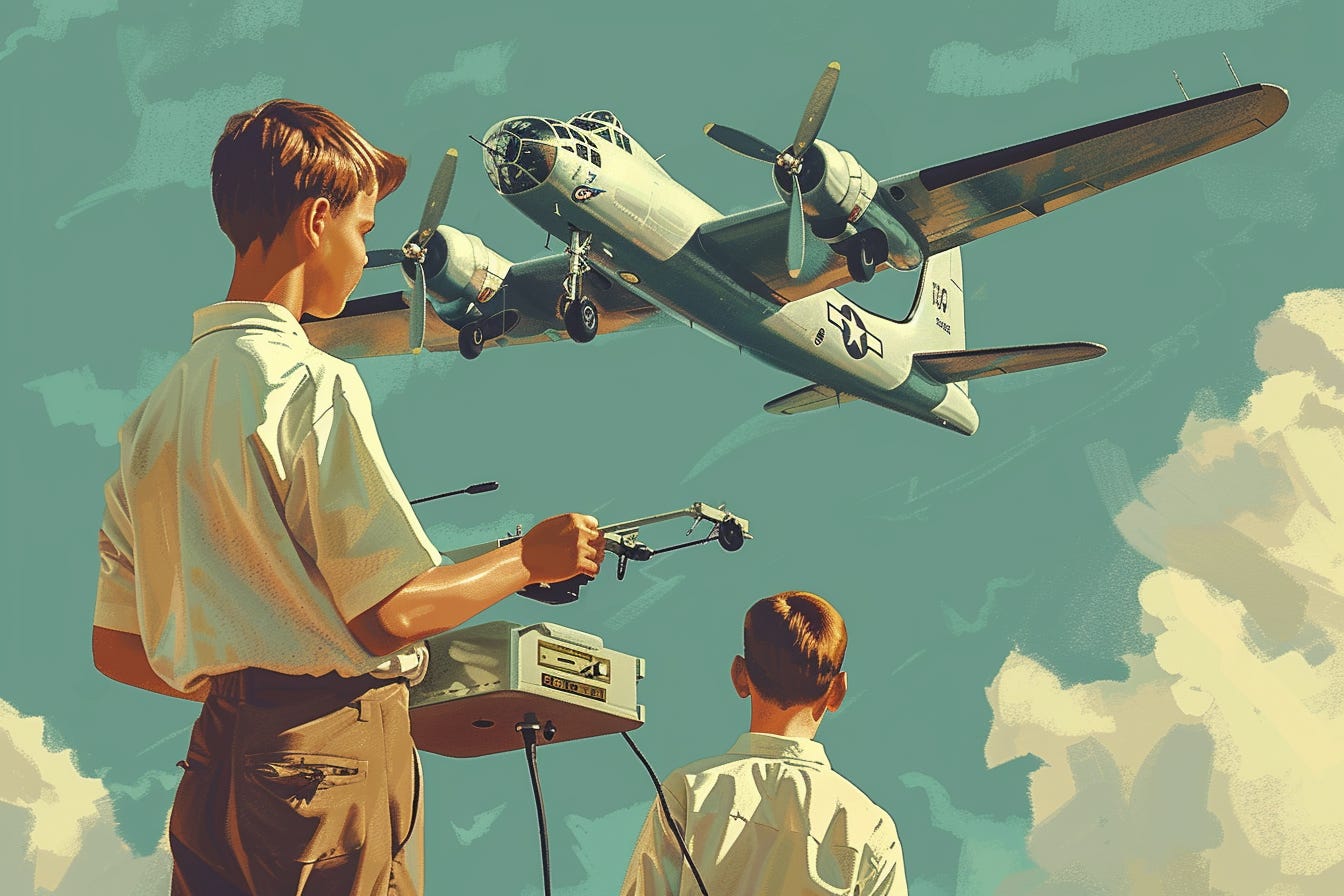
    Similarly, Meteor Men blends scientific discovery with American Civil War history. The five boys—Cinch, Frank, Keith, Joel, and Ronaldo—start as amateur meteorite hunters, using library research and borrowed gadgets like a magnetic probe mounted on a radio-controlled plane. Their quest leads to an unexpected find: a buried Union ironclad riverboat and its Confederate counterpart, solving a fictionalized mystery tied to real Civil War naval battles, such as those on the Mississippi River. Drawing from actual historical markers and artifacts (like the USS Cairo, the only surviving Union armored riverboat), the boys learn about steam-powered warfare, the role of ironclads in river combat, and the human cost of the conflict. From a boy’s perspective, this reveals history as a puzzle to be solved, emphasizing how everyday curiosity can uncover forgotten stories and honor the soldiers who fought.

    Fossil Force takes a more speculative twist on history, imagining an advanced ancient civilization in North America that retreated underground to survive a global flood—echoing myths like Noah’s flood and Native American oral traditions. Protagonist Patrick Keller and his friends harness powerful Sentinel suits powered by fossils from a dinosaur-rich mountain on a fictional Indian reservation. This setup explores themes of ancestral guardianship, rare metals, and hidden gates, blending paleontology with indigenous history. Patrick’s journey involves navigating ethical dilemmas, such as using the suits responsibly amid threats from deep-earth rebels. Viewing history through Patrick’s lens—tied to family legacy and modern-day Utah—helps boys understand ancient migrations, flood legends, and the stewardship of cultural sites, making prehistory feel dynamic and relevant.

    In each book, the protagonists learn practical skills amid historical backdrops: Eddie hones ingenuity and leadership by running messages under fire; the Meteor Men master research, data analysis, and teamwork through surveys and digs; Patrick develops accountability and problem-solving while balancing power with morality. These skills aren’t abstract—they emerge organically from historical challenges, showing boys how history builds real-world competence.

    Augmenting Homeschooling Curriculum

    For homeschooling families, these books serve as versatile supplements, turning literature into a multidisciplinary tool. Historical fiction like this aligns with core subjects while sparking independent inquiry.

    In A Boy Against the Boxers, parents can pair the narrative with geography lessons on early 20th-century China, discussions of imperialism, or even hands-on activities like building model cannons. The siege’s timeline—filled with “unbelievable” facts, as author Jacob Sharp notes—encourages timeline projects or debates on international alliances, augmenting history curricula without feeling like rote memorization.

    Meteor Men excels in STEM integration, making it ideal for science-focused homeschooling. The boys’ use of magnetometers, compasses, and aerial surveys can inspire experiments in magnetism or geology, while the Civil War discovery ties into U.S. history units. Homeschoolers might extend this by visiting historical sites (like the USS Cairo museum) or researching local meteorite falls, blending reading with fieldwork to reinforce scientific method and historical research skills.

    Fossil Force supports lessons in paleontology, archaeology, and ethics. The fossil-powered Sentinels can lead to dinosaur studies or visits to Utah’s fossil sites near Moab, while the underground civilization theme opens doors to mythology, Native American history, and environmental stewardship. Homeschool activities could include mask-making crafts or debates on cultural preservation, helping boys connect literature to broader curricula like earth science or social studies

    By embedding history in adventure, these books make homeschooling engaging, encouraging boys to pursue rabbit trails—like library dives or outdoor explorations—that deepen learning beyond worksheets.

    Developing a Love of Reading and Desire to Explore Historical Themes

    Perhaps the greatest gift of these books is igniting intrinsic motivation. Seeing history from a boy’s viewpoint—full of action, friendship, and growth—makes the past relatable, transforming reading from a chore into an adventure. Eddie in A Boy Against the Boxers evolves from craving excitement to embodying heroism, mirroring how boys might see their own potential in historical figures. This perspective demystifies events, showing the human side of sieges and rebellions, which can inspire further reading on topics like the Eight-Nation Alliance. Many of the secondary and background characters in Boxers are real historical personages who were actually there; including future President Herbert Hoover, and future first lady Lou Henry Hoover, who really did ride around the besieged Quarter on her bicycle with a pistol strapped to her hip, and who really did get a flat tire from a gunshot.

    In Meteor Men, the boys’ camaraderie and “treasure hunt” approach humanizes Civil War soldiers, fostering empathy and a desire to explore archives or reenactments. Author Scott Schad’s pride in “honoring the soldiers” underscores how such stories build emotional connections, turning history buffs into lifelong learners.

    Fossil Force emphasizes accountability in friendships, as Patrick and his crew hold each other to high standards with the Sentinels. This peer-driven growth, set against ancient mysteries, encourages boys to question “what if?” scenarios, sparking interest in speculative history books or field trips to fossil sites.

    Ultimately, these narratives develop critical thinking, empathy, and curiosity—skills that fuel a love of reading. As Sharp reflects, inspired by classics like The Long Portage, such tales draw kids into history’s thrill, creating readers who seek out more.

    Raconteur Press’s commitment to uplifting, pulp-style adventures ensures these books reject nihilism, offering noble protagonists and honorable outcomes. For boys eager for discovery, titles like these prove history isn’t just dates—it’s a call to adventure. Dive in at raconteurpress.com and watch curiosity take flight.


    First published on the Raconteur Press Substack, February 19, 2026.

  • Reviving the Spirit of Adventure: Why Boys Crave Stories Like Dave Freer’s Storm-Dragon

    Reviving the Spirit of Adventure: Why Boys Crave Stories Like Dave Freer’s Storm-Dragon

    In a world where boys’ reading rates are plummeting—the National Literacy Trust’s 2025 survey found that by ages 14 to 16, fewer than one in five boys (18.8%) enjoy reading, compared with 37.7% of girls—adventure books emerge as a vital counterforce. Enter Storm-Dragon by Dave Freer, a gripping middle-grade sci-fi tale set on the unforgiving planet Vann’s World. Young Skut braves savage winds and deadly creatures to rescue a tiny, telepathic storm-dragon, forming an unbreakable bond amid rising tides and menacing threats. Joined by his new friend Podge, the boys navigate bullies, school woes, and a mysterious town peril, turning survival into heroism. This isn’t mere escapism; it’s a blueprint for resilience, imagination, and healthy masculinity. Boys need these stories to model courage, foster critical thinking, and combat the passivity of screen-dominated lives.

    Fostering resilience and self-reliance lies at the heart of why adventure books like Storm-Dragon resonate with boys. Evolution has wired males for action and protection, traits honed through millennia of survival pressures. As Freer explores in his writings, boys aren’t just playing at heroism—they’re preparing for real-world roles. Skut’s journey from a displaced farm boy to a defender of his companion and community mirrors this: facing hamerkops, Loor-beasts, and human adversaries builds grit without preachiness. Without such narratives, boys miss out on vicarious trials that teach problem-solving and stoicism. Freer captures this essence perfectly:

    “Men are selected to be protective. As someone said recently, most men fantasize about being the rear-guard – holding hard while their families escape and survive.”

    This protective instinct, woven into Storm-Dragon’s plot, counters modern trends of introspection-heavy YA, instead channeling pulp-era energy like Heinlein’s juveniles. Here, boys learn that true strength involves cunning, honor, and violence when necessary—traits that, in the right context, ensure survival and respect. Freer’s background as a marine biologist and adventurer infuses authenticity, making the perils of Vann’s World feel tangible and conquerable.

    Sparking imagination and critical thinking is another cornerstone. In Storm-Dragon, the alien world’s tidal tiers, electric-charged creatures, and telepathic bonds invite readers to puzzle out dangers creatively, offsetting the rote passivity of digital entertainment. Boys thrive on stories where heroes invent solutions—rebuilding tools or outsmarting invaders—rather than dwelling on emotions. Freer’s ichthyology expertise shines in the ecosystem details, blending education with excitement. As one Amazon reviewer enthuses: “It evokes all the virtues of the Heinlein juveniles, and that’s truly a remarkable feat.” This nod to classics like The Star Beast highlights how Storm-Dragon promotes wonder, community, and ingenuity. Amid bullies and adult oversights, Skut and Podge’s alliance teaches that brains trump brawn alone, encouraging boys to question, adapt, and explore—skills essential in a fast-changing world.

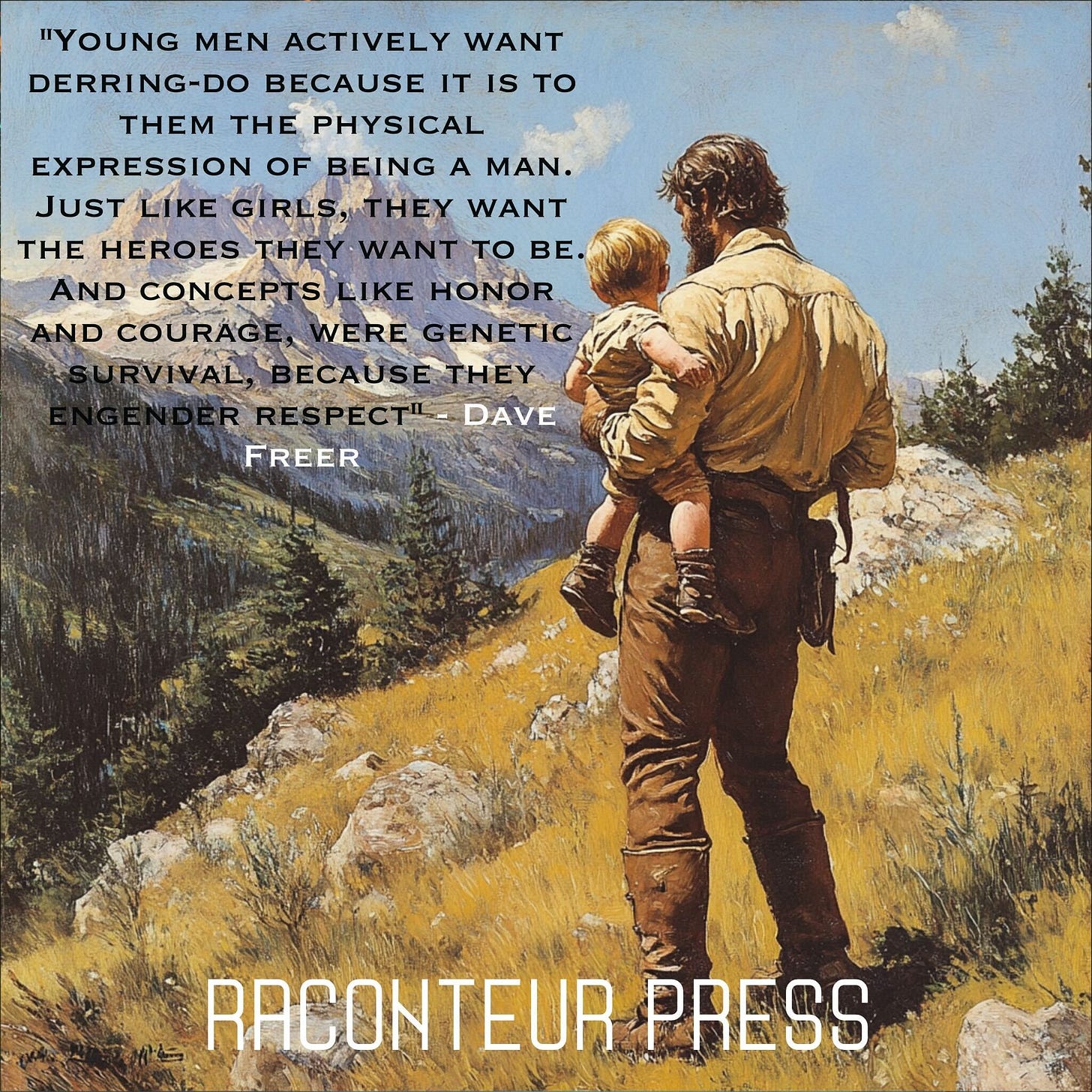
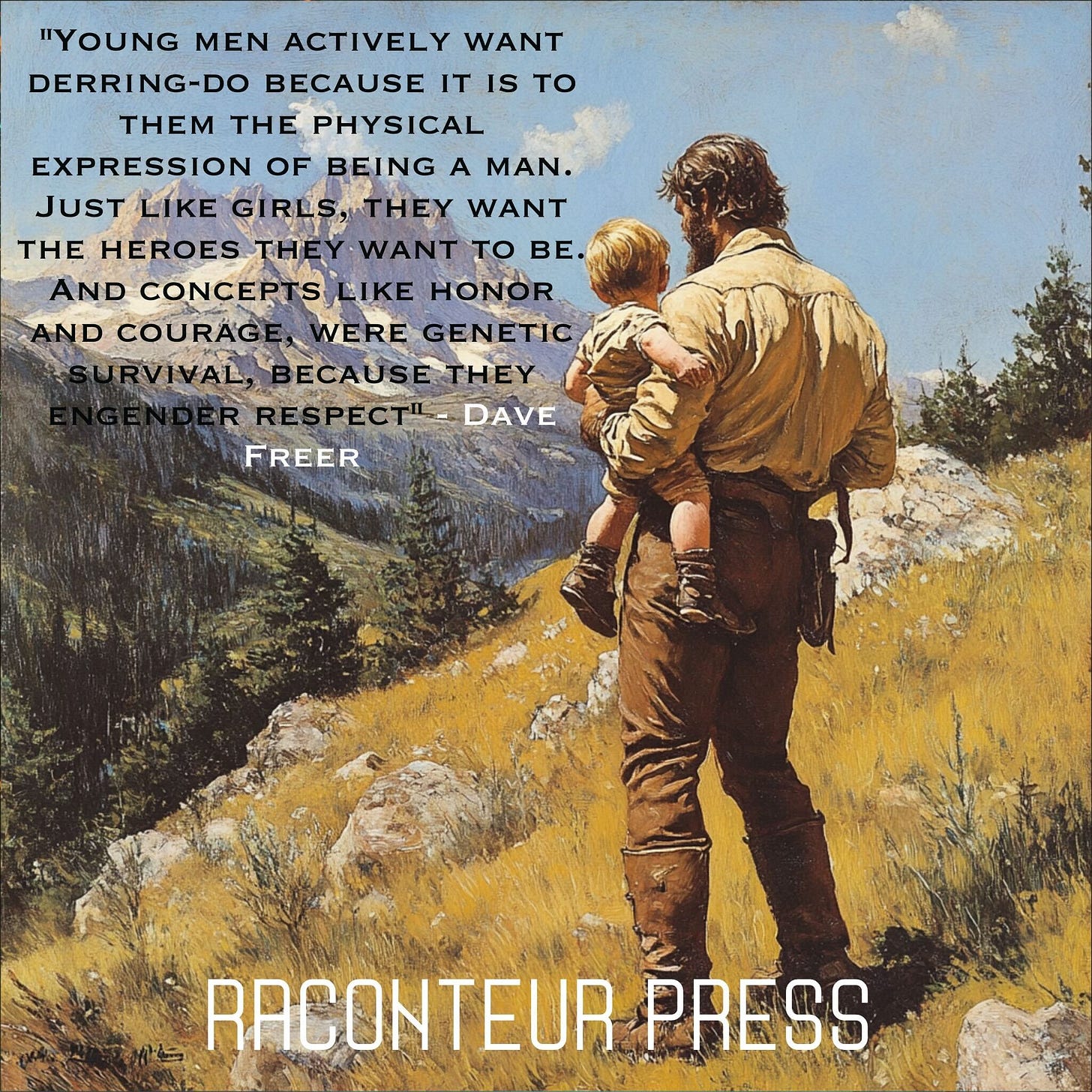
    Building healthy masculinity means portraying honorable protectors, not stereotypes. Freer nails this: “Young men actively want derring-do because it is to them the physical expression of being a man.”

    In sum, Storm-Dragon revives the boys’ adventure genre, inspiring resilience and heroism in an underserved audience. This book doesn’t merely entertain—it equips boys with the resilience to tackle real-world challenges, one daring chapter at a time.

    Subscribe to our Substack for more on pulp revival and author insights!

    First published on the Raconteur Press Substack, February 5, 2026.

  • From Couch to Courage: Classic-Style Adventure Books Build Real-World Grit in Boys

    From Couch to Courage: Classic-Style Adventure Books Build Real-World Grit in Boys

    In a world full of screens and passive entertainment, can adventure books foster real-world resilience in boys?

    In an age of endless scrolling, video games, and binge-watching, boys absorb passive content that barely challenges them. This digital overload stifles creativity, weakens problem-solving, and chips away at true toughness.

    Stop letting screens steal your son’s grit. You can fight back—right now—with adventure books that ignite active imagination and build real resilience.

    Raconteur Press’s boys’ adventure series revives the thrilling spirit of classic juvenile fiction, like Robert A. Heinlein’s tales, with fast-paced stories crafted for ages 8 to 18. These books don’t just entertain; they train boys to face challenges head-on, persist through setbacks, and act with courage—skills that translate straight to school, sports, friendships, and life.

    Make the switch from passive to active engagement. Unlike video games with endless resets, these novels demand visualization, empathy, and decision-making—all sharpening mental and emotional strength.


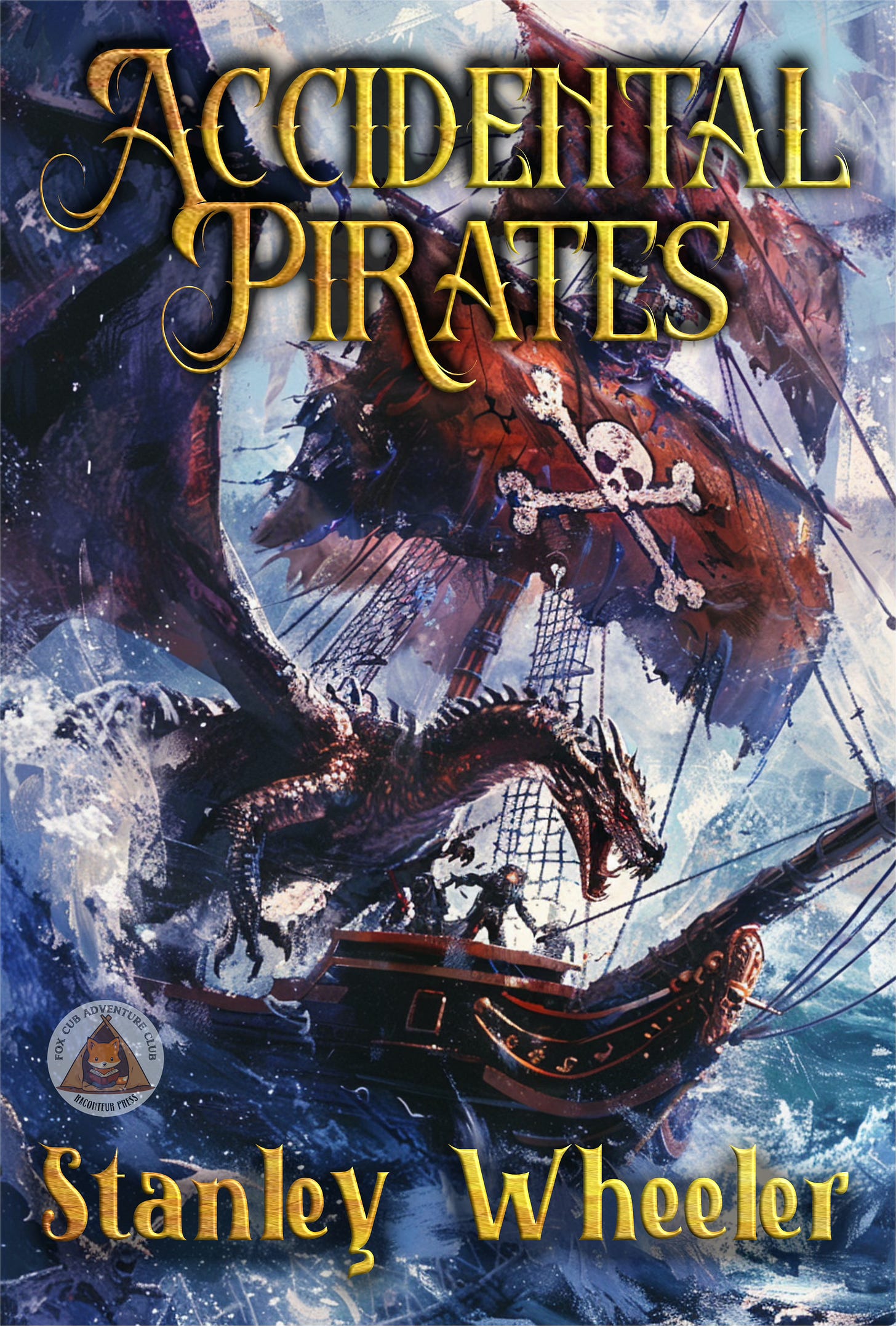
    Take Stanley Wheeler’s Accidental Pirates: A Pirate & Dragon Adventure for Boys. Brothers Chris and Kenny head out for a simple Idaho hike with their grandfather, but a mysterious cave hurls them into the 1770s Caribbean. Armed only with a pocketknife and quick lessons on flintlock pistols, they battle bloodthirsty pirates under the ruthless Captain Ross. They dodge razor-feathered dragonlings, and evade the fire-breathing Green Lady.

    To outsmart cannibals, survive ambushes, and claw their way home, the boys improvise, adapt, and think on their feet—exactly the quick-risk assessment and creative resource use needed for real emergencies, tough outings, or sudden family hurdles.

    In Accidental Pirates, the brothers face nonstop threats in a world without modern comforts. They learn by failing, regrouping, and charging forward—mirroring the grit required to push through sports slumps, academic obstacles, or personal setbacks.

    Demand perseverance over instant wins. Screens hand out easy rewards, but these stories prove resilience grows from enduring trials.


    In Fred Phillips’s Dreams of Gold and Fire, shepherd boy Aron chafes against his quiet village life and his father’s expectations of a simple farming future. Dreaming of knighthood and dragon battles, he defies dismissal and runs away to the capital, seeking glory, where a chance meeting with a kind knight rekindles his hope.

    Rejection, hardship, and accusations drive Aron into the mountains, where he discovers hidden valleys, confronts mythical dangers, and protects his village all while forging his courage, friendships, and destiny. His bold pursuit of his dreams despite obstacles will inspire readers to chase their passions, handle rejection, and build inner strength—perfect for kids who feels stuck in routine or ordinary life!


    Christopher G. Nuttall’s Boy’s Own Starship shows brothers Eric and John scavenging junk to rebuild a starship and break free from boredom, tackling breakdowns and rivalries with sheer determination.

    Scott Schad’s Meteor Men unites five boys in a Kansas meteorite quest, demanding science smarts, teamwork, and bravery against rivals and rough land.

    Frederick Key’s I’ve Got This! empowers a boy to turn a “useless” superpower into victory through ingenuity and heart, boosting confidence when facing perceived weaknesses.

    These stories shatter screen isolation by celebrating teamwork, strategic boldness, and self-reliance.

    Parents and educators: Replace screen time with Accidental Pirates or Dreams of Gold and Fire this week. Hand your boy a copy, discuss the hero’s choices, and watch resilience grow—turn passive scrolling into active heroism!

    Your son’s future toughness starts one daring page at a time!


    First published on the Raconteur Press Substack, January 21, 2026.